The Real Retention Strategy: What Happens When Enterprises Fix the Work Instead of Sweetening the Deal
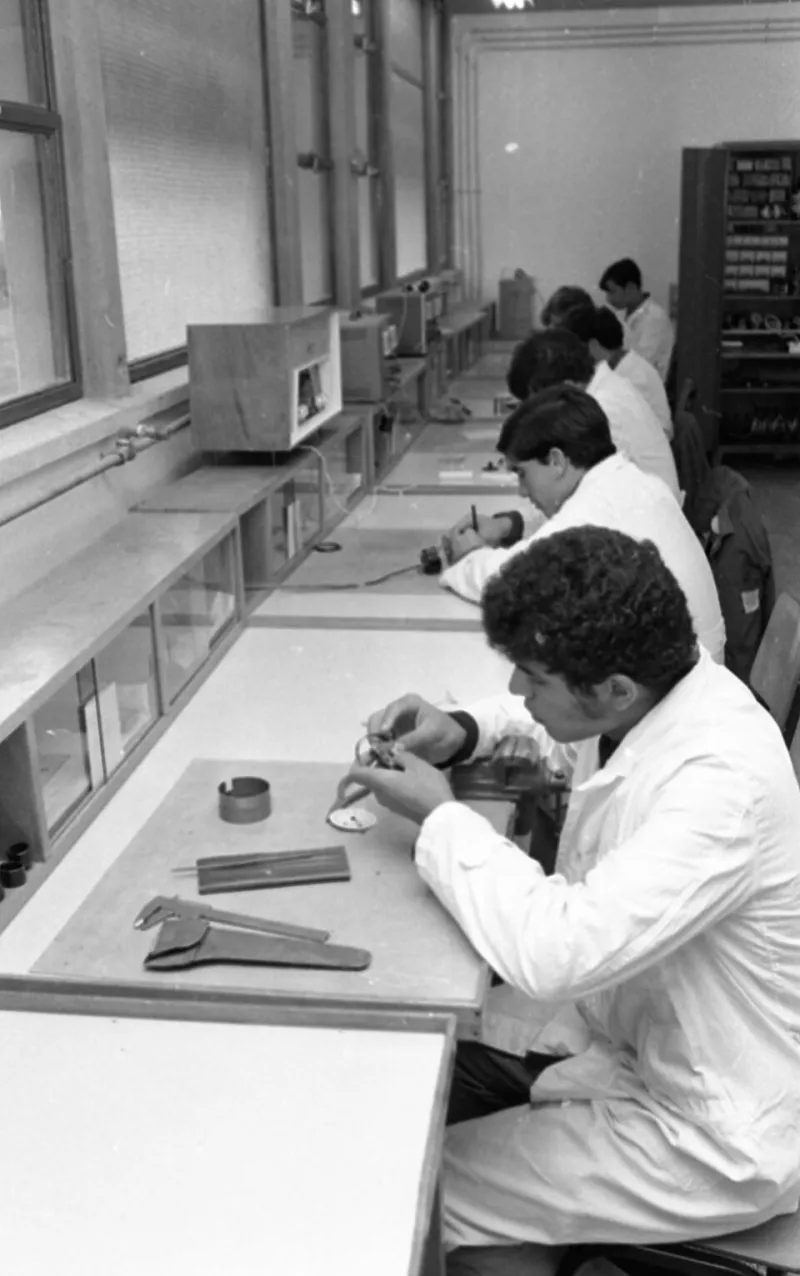
Photo: IPPA photographer, CC BY 4.0, via Wikimedia Commons
The Perks Aren't Working
US enterprises spent years competing on the amenities of employment: flexible schedules, enhanced benefits packages, remote work options, wellness stipends, and an expanding catalog of supplemental offerings intended to signal that the organization values its people. Some of these investments have genuine merit. Most, however, are solving for the wrong problem.
The research on voluntary turnover is consistent and has been for some time: the majority of employees who leave organizations — particularly high-performing employees — are not leaving because the compensation was insufficient or the benefits were inadequate. They are leaving because the work itself became untenable. The processes were too slow. The decision-making was too opaque. The bureaucratic overhead was too high. The systems were too broken.
Enterprises that continue to invest primarily in perks while leaving the operational environment unchanged are treating the symptom while the underlying condition worsens. And the cost of that miscalculation is substantial — both in direct replacement expenses and in the institutional knowledge that walks out the door with every departure.
What Actually Drives Talented People Away
High performers have options. That is, by definition, what makes them valuable — and what makes retaining them different from retaining employees who are less mobile. When the operational environment becomes sufficiently frustrating, high performers do not resign themselves to it. They leave. And they leave for organizations that allow them to do the work they were hired to do.
The friction patterns that drive this exodus tend to cluster around a few recognizable themes.
Decision-making latency. In many enterprises, the distance between a decision that needs to be made and the person authorized to make it is enormous. Talented professionals who are capable of acting on good judgment find themselves waiting weeks for approvals that could have been granted in an afternoon. Over time, this experience erodes both productivity and morale in ways that no amount of supplemental benefit can offset.
Unclear ownership. When accountability is diffuse — when it is genuinely unclear who is responsible for a given outcome — high performers are often left doing work that belongs to someone else, advocating for decisions that no one will make, or navigating organizational structures that actively resist the kind of initiative that characterizes their best work.
Tool and system friction. Employees who are expected to produce sophisticated outputs using inadequate, outdated, or poorly integrated systems experience a particular kind of daily frustration that compounds over time. The problem is not just the inefficiency — it is the signal the tools send about how seriously the organization takes the quality of its own work.
Meeting and process overhead. When the administrative burden of operating within an enterprise consumes a disproportionate share of the working day, the ratio of effort to impact shifts in ways that talented people find demoralizing. They did not take a role at a large organization to spend their afternoons in status meetings.
The Operational Design Approach to Retention
A growing number of enterprises have begun approaching retention as an operational design challenge rather than a compensation challenge. The shift in framing is significant because it changes both the diagnosis and the intervention.
Rather than asking what the organization can offer employees to make staying more attractive, the question becomes: what is making the work unnecessarily hard, and what would it take to fix it?
This reorientation tends to surface problems that leadership was previously unaware of — not because the problems were hidden, but because the mechanisms for surfacing them were absent. High performers who have already decided to leave rarely spend their final weeks submitting detailed feedback about process failures. The information exits with them.
Organizations that have cracked this code tend to share several structural characteristics.
Systematic friction mapping. Rather than relying on exit interviews — which capture data after the decision has been made — effective enterprises build ongoing mechanisms for identifying operational friction before it becomes a retention risk. Regular structured conversations between managers and high performers, focused specifically on what is slowing them down or blocking their effectiveness, create an early warning system that perks programs cannot replicate.
Delegated decision authority. Enterprises that have reduced turnover among high performers often point to deliberate work to push decision-making authority closer to the people doing the work. This is not a cultural aspiration — it is a structural change, encoded in clear accountability frameworks that specify who can decide what without escalation. The result is not just faster decisions; it is a work environment in which talented people feel trusted to exercise the judgment they were hired for.
Process rationalization as a standing practice. The most operationally effective enterprises treat process overhead as a cost to be actively managed, not an inevitability to be accepted. They audit workflows regularly, eliminate approval steps that no longer serve a purpose, and create clear channels for employees to flag processes that have become more burdensome than beneficial.
Tool investment tied to employee experience. When technology procurement decisions incorporate the experience of the people who will use the tools — rather than being driven exclusively by vendor relationships, IT standardization, or procurement efficiency — the resulting investments tend to produce systems that enable rather than impede productive work.
The Retention Dividend
The financial case for this approach is compelling. The cost of replacing a high-performing employee — accounting for recruiting, onboarding, productivity loss during the transition period, and the institutional knowledge that is never fully recovered — typically ranges from one to two times the departing employee's annual compensation. For senior roles, that figure is often higher.
Enterprises that invest in operational redesign as a retention strategy are not simply reducing turnover. They are generating a compounding return: lower replacement costs, higher productivity from employees who are not fighting their own systems, and an organizational reputation that makes recruiting the next generation of high performers substantially easier.
Rethinking What Retention Actually Means
The most durable retention strategy available to enterprise leaders is also the most demanding: it requires them to look honestly at the operational environment they have created and to take responsibility for the friction it generates. That is a harder conversation than approving a new benefits package. It is also a more consequential one.
Talented professionals do not leave organizations that respect their time, trust their judgment, and equip them to do excellent work. The enterprise leaders who understand this — and who are willing to do the structural work that follows — are building organizations that keep the people worth keeping.